

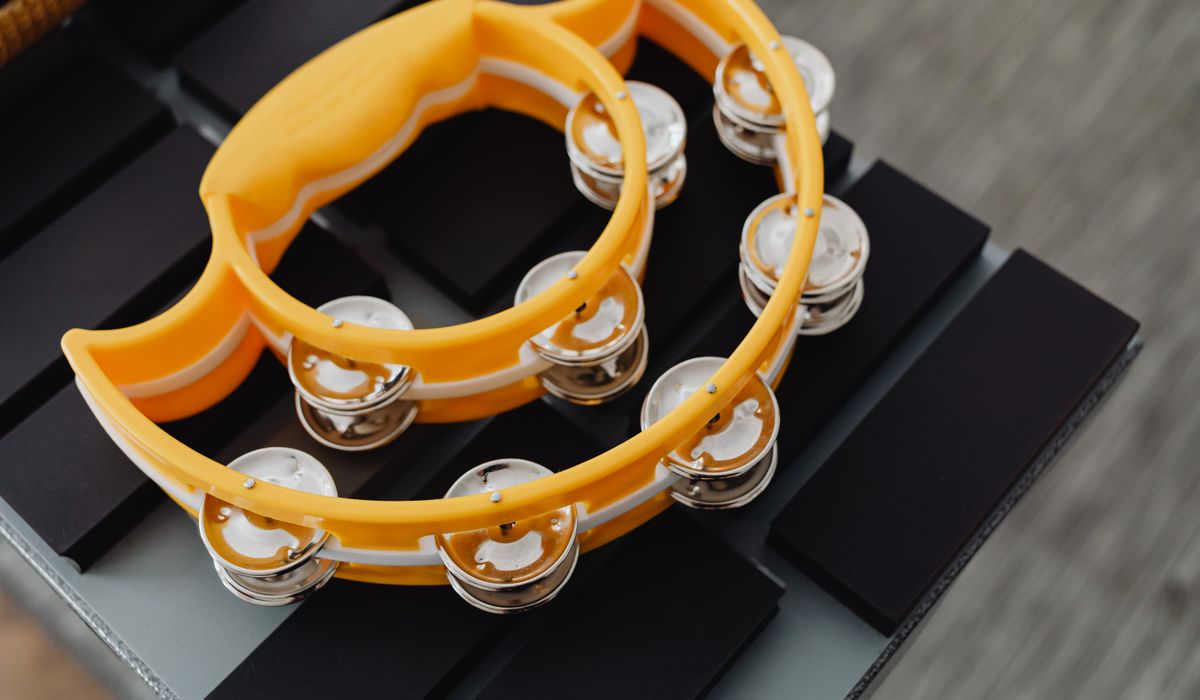
Why Mallet Choice Matters for Steelpan Voices
Steelpan is not a single instrument but a family of voices, each with its own pitch range, note size and resonance. A mallet that makes a tenor pan sing can make a bass pan thud. The three main tip materials — rubber, wood and padded — behave very differently on the playing surface. Add variations in tip size, hardness and shaft flexibility, and you have a powerful set of tools for shaping tone, volume and articulation. This guide compares those materials and suggests which tips suit tenor, double second, cello and bass pans. The aim is practical: help you choose mallets that let each pan speak clearly and comfortably.
Rubber Tips: The Go-To for Tenor and Double Second
Rubber is the workhorse material for most steelpan playing. Natural or synthetic rubber is measured in Shore A hardness, and that number matters. For a tenor pan, a medium-hard rubber tip around 60 to 70 Shore A works well. It gives a bright attack, clear sustain and enough projection for melody lines. A tip diameter of about 25 to 30 millimetres is ideal. For double second pans, choose a slightly softer rubber, roughly 50 to 60 Shore A, with a tip of 28 to 32 millimetres. That extra softness blends the mid-range chords without losing definition.
- Tenor: medium-hard rubber, 28mm tip, stiff shaft. Great for fast runs and lead melodies.
- Double second: medium rubber, 30mm tip, slightly flexible shaft. Balances chordal work and countermelodies.
Avoid very hard rubber on tenor. It can dent the pan and produce a clangy, unpleasant tone. Very soft rubber on tenor loses articulation and sounds muddy.
Wood Tips: Articulation for Mid-Range and Solo Work
Wood tips, usually maple or birch, offer a crisp, percussive attack with quick decay. Bare wood on steel gives a sharp cut that can be useful in a dense band. For double second pans, a wooden mallet with a 20 to 25 millimetre tip adds definition to arpeggios and rapid melodic passages. Some tenor players use a small wooden tip for special effects, but sparingly, as the hard surface can be harsh and damaging if struck too hard. Wood is not suitable for cello or bass pans. Those lower voices need the warmth and weight that only padded mallets provide. If you use wood on double second, play with a lighter stroke and let the mallet bounce.
- Double second: hard maple, 22mm tip, for crisp solo lines and articulation in a busy mix.
- Tenor (optional): small wooden tip for percussive accents, but use with care.
Padded Mallets: Warmth and Depth for Cello and Bass
Padded mallets have a rubber core wrapped in felt, fleece, wool or leather. The padding softens the attack and lengthens the sustain. For cello pans, choose a medium padded mallet with a 35 to 40 millimetre tip and a felt cover. This gives warm, rounded chords and countermelodies without a harsh edge. For bass pans, you need a much larger padded mallet: 45 to 60 millimetres across, wrapped in wool or thick felt, and very soft. A long, flexible cane shaft helps you play with a relaxed arm stroke. Never use hard rubber or wood on bass pans. You will get a dull thud instead of a deep note, and you risk cracking the pan.
- Cello: padded rubber core, felt wrap, 38mm tip, medium-soft. Warm chords and lyrical lines.
- Bass: large wool-wrapped tip, 50mm or more, very soft, flexible cane shaft. Deep, resonant bass patterns.
Matching Mallets to Your Pan and Playing Situation
A simple rule helps: lower pan voices need larger, softer tips and more flexible shafts. Higher voices need smaller, harder tips and stiffer shafts. Why? Lower notes vibrate over a larger area and require more energy at lower frequencies. Hard tips excite high frequencies, which sound harsh and thin on a bass pan. Higher notes need precise, quick energy, so a harder tip gives clarity. Also consider the venue. Outdoor or noisy gigs often call for harder mallets for projection. Studio or quiet acoustic settings reward softer mallets for warmth and subtlety. A tenor player might carry two pairs: medium-hard rubber for solos and soft rubber for backing. A double second player might use wood for solo passages and rubber for accompaniment. Try before you buy. Ask your tutor or an experienced player to listen and advise. Pan maker, tuning and playing style all affect the final choice.
Care, Technique and Experimentation
Look after your mallets and they will look after your sound. Rubber tips degrade with UV light and heat, so store them in a cool bag. Wood tips can chip; sand lightly with fine grit if needed. Padded mallets compact over time — replace or re-fluff the felt when it flattens. Clean tips with mild soap and water, then dry thoroughly. Avoid solvents. Check shafts regularly for splinters or cracks. Technique matters as much as material. Grip lightly and let the mallet bounce. For bass pans, use a relaxed arm stroke. For tenor, use wrist and fingers. Experiment: buy a few single mallets of different hardnesses and tip sizes. Listen to how each changes the tone. Record yourself and compare. Over time you will develop a feel for what each pan voice needs. The right mallet is the one that lets the pan speak clearly, comfortably and in your own style.






John Doe
14 January, 2022Having no content in post should have adverse..
Chauffina Carr
10 April, 2022We use these tests all time! Killer stuff!
Jim Séchen
16 July, 2022Thanks for all the comments, everyone!